
Tip & Trick
Mastering keyboard shortcuts can transform your productivity. These 10 symbols starting with 'A' offer hidden power for faster typing, coding, and document formatting across Windows, Mac, and Linux systems.
Alt Key for Menu Access
Forget the mouse—your Alt key is the ultimate power tool for navigating system menus and unlocking hidden features in Windows and Linux. Whether you're a power user juggling multiple apps or someone relying on keyboard-only navigation, this shortcut is a game-changer for efficiency and accessibility.
Pressing Alt alone reveals the classic Windows menu bar, while Alt+Tab lets you switch between open windows instantly. On Linux, it’s your gateway to terminal commands and hidden system functions. Combine it with F4 to jump to the address bar in File Explorer, or use Alt+F to access File menus in most applications. These combinations work seamlessly across desktops, laptops, and even virtual machines.
This shortcut is a lifesaver for developers debugging code, accessibility users navigating without a mouse, or anyone tired of reaching for the trackpad. Mastering it could cut your workflow time by 30% or more. ⚡
Ampersand Symbol & in Documents
Need to add that polished touch to your legal contracts or business proposals? The ampersand (&) isn’t just a symbol—it’s a styling and spacing pro in professional documents. Used in names like "Johnson & Johnson" or legal clauses, its placement and formatting can make or break readability.
In Microsoft Word, type Alt+0150 for a standard ampersand, but for true elegance, use the Insert Symbol feature (Windows: Ctrl+F10) to select a serif font like Times New Roman. In Google Docs, the & key works natively, but adjust spacing manually—never let it touch adjacent text. For bullet points, replace the default dash with an ampersand for a sleek, custom look.
Perfect for lawyers, editors, and business writers who demand precision. A well-placed ampersand elevates documents from "good" to "professional." ✨
Angle Brackets for Coding
If you’ve ever stared at a blank HTML file wondering why your code keeps breaking, angle brackets (< >) are the unsung heroes of web development and programming syntax.
These tiny symbols define tags in HTML, XML structures, and generic syntax in languages like C++ or Java. In VS Code, pressing < auto-completes to </>—just type your tag name and hit Tab to close it instantly. Sublime Text’s Emmet plugin takes it further, letting you expand abbreviations like div>p into full nested tags. Mastering them cuts coding time by 30% for repetitive structures.
Developers working with markup languages or template systems will love this shortcut—it’s the difference between hand-coding every tag and writing clean, scalable code at lightning speed. ✨
Arrows for Navigation Shortcuts

Tired of reaching for your mouse every time you need to navigate text or switch between browser tabs? Your arrow keys are secretly a powerhouse—especially when combined with Alt or Ctrl. These shortcuts can cut your editing time in half, whether you're drafting reports in Word or scrolling through long web pages.
Try Alt+Arrow to jump between open browser tabs or Ctrl+Arrow to move the cursor word-by-word in documents. In Excel, Shift+Arrow selects entire rows or columns instantly. These combinations work across Windows, Mac, and Linux, and they’re especially useful for power users who spend hours typing daily. With just a few keystrokes, you’ll navigate like a pro—no mouse required.
Perfect for data analysts, writers, and anyone drowning in tabs. Give them a try and watch your workflow speed up dramatically. ⚡
At Symbol for Email Addresses

Email addresses wouldn’t exist without the @ symbol—the invisible glue connecting us all. Typing it quickly is a game-changer, whether you’re drafting 50 emails a day or just keeping up with replies from your team.
In Gmail, press Shift + 2 on US layouts (or Option + 2 on Mac) for instant access. Outlook users can enable AutoCorrect to replace shortcuts like (at) with the symbol automatically. For accessibility, Windows offers Sticky Keys (Right-click keyboard settings) to hold Shift longer—perfect for users with motor challenges.
This symbol isn’t just for emails—programmers use it in Python decorators and URLs, while designers rely on it for email templates. Mastering it cuts typing time by half for anyone who communicates digitally. ✨
Accent Marks for International Text
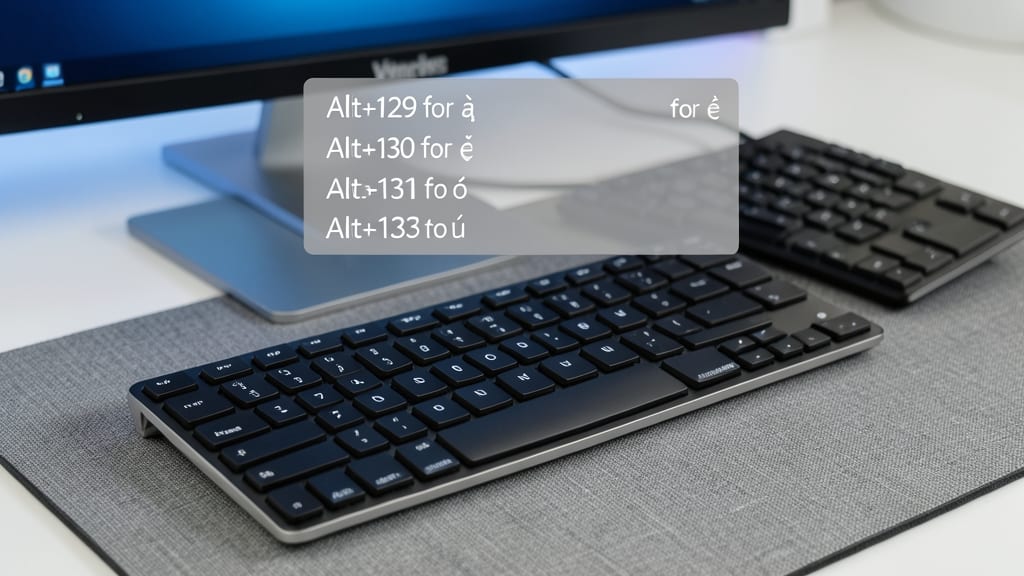
Need to type á, é, í, ó, or ú but can’t find those keys? These accent marks are vital for Spanish, French, Portuguese, and other languages—but you don’t need a special keyboard. Each OS has built-in shortcuts to unlock them instantly.
On Windows, hold Alt and type the number (e.g., Alt+129 for á). Mac users can press Option+E after typing the base letter (e.g., a + Option+E = á). Linux systems often support Compose Key (e.g., Compose + ' + a for á). These shortcuts work in emails, documents, and even coding comments for international projects.
Perfect for language learners, translators, or anyone working with multilingual text. No extra tools needed—just a few keystrokes to unlock global communication. ✨
Asterisk for Bulleted Lists
Turn messy notes into polished lists with the humble **asterisk (*)—the secret weapon for bullet points in every major app. Whether you're jotting down a quick grocery list or organizing a complex project, this symbol instantly transforms raw text into structured content with minimal effort.
In Microsoft Word, press Ctrl+Shift+L to convert asterisks into formatted bullets automatically. Notion and Markdown editors** (like Typora or Obsidian) recognize asterisks as list starters—just type * Task 1 and hit Enter for instant styling. For nested lists, add two spaces before the asterisk, and tools like VS Code will handle the indentation flawlessly.
Perfect for students, developers documenting code snippets, or anyone who wants to keep ideas organized without switching tools. Master this shortcut, and your notes will go from chaotic to crystal clear in seconds. ✨
Alt Code for Special Characters
Need that perfect © symbol for a document or the ∞ infinity sign for your design project? Windows’ Alt code system unlocks 250+ hidden characters without switching keyboards. Just hold Alt, type the numeric code (e.g., 0169 for °), then release—no tracking down obscure Unicode charts.
Mathematicians love ∑ (summation, Alt+0331) and √ (square root, Alt+251), while designers snag ™ (trademark, Alt+0153) or † (dagger, Alt+0134) for footnotes. The system works on any Windows PC with a numeric keypad—even laptops with the number row (enable Num Lock first). For extra flair, try ✓ (Alt+0252) or ❄ (snowflake, Alt+0230) for presentations.
This shortcut is a game-changer for anyone typing in multiple languages, coding, or designing—no apps or extensions needed. Just memorize a few codes, and you’ll save hours hunting for special characters. ✨
Apostrophe for Contractions
That tiny apostrophe key packs a surprising punch—it’s the secret to grammar-perfect contractions ("don’t," "can’t") and possessives ("John’s book"). Grammar tools like Grammarly and ProWritingAid flag errors here more than any other punctuation, making this the most overlooked symbol for polished writing.
On most keyboards, it’s the single quote (‘)—but placement is everything. Contractions merge words with an apostrophe replacing missing letters, while possessives add it after the owner’s name. Pro tip: Never use it for plurals (e.g., "2020’s" is correct; "2020’s" is wrong). Windows/Linux users can type it via Shift+’, while Mac users use Option+’ for smart quotes.
This symbol is non-negotiable for writers, marketers, and professionals drafting emails, reports, or social media posts. A single misplaced apostrophe can undermine credibility—so master it for flawless communication. ✨
Alt Tab for Window Switching
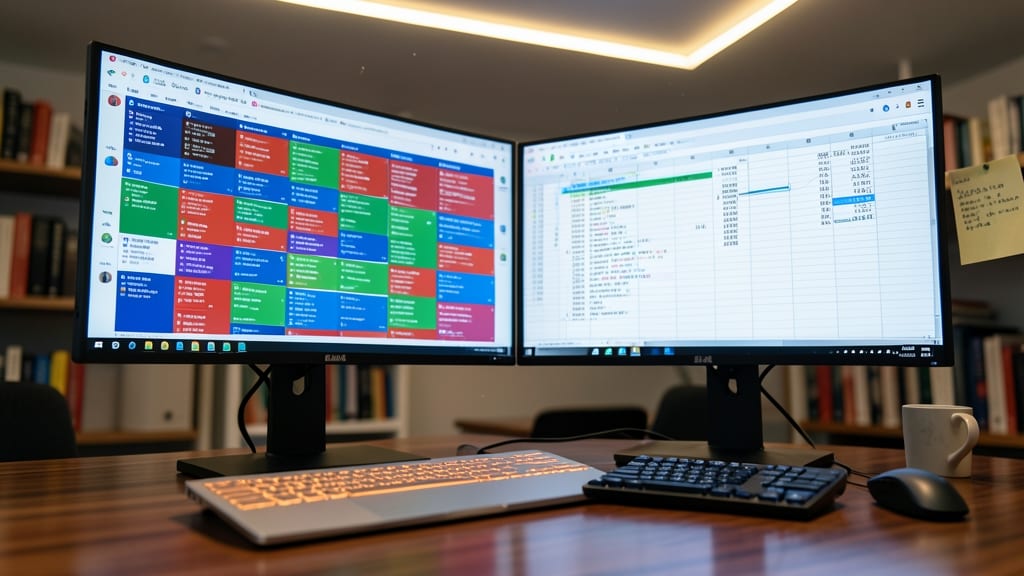
Struggling to juggle between Chrome, Excel, and Slack? The Alt+Tab combo (or Command+Tab on Mac) is your secret weapon for lightning-fast window switching—no mouse required. This universal shortcut works across Windows, macOS, and Linux, making it the ultimate tool for multitaskers, developers, and anyone drowning in open tabs.
Hold Alt (or Command), press Tab, then release to cycle through open windows. Add Ctrl (Windows) or Shift (Mac) to reverse direction. Pro tip: Use Alt+Esc in Windows for even faster tab cycling without preview thumbnails. This shortcut saves minutes daily—perfect for power users who hate context-switching delays.
Ideal for programmers debugging, designers flipping between mockups, or office workers bouncing between apps. Master this, and you’ll wonder how you ever lived without it. ⚡