
Troubleshooting
Frustrated by repetitive IT support tickets? These 10 knowledge base articles provide clear, actionable solutions for the most common tech issues—saving your team time and reducing user frustration. Each article is designed to be self-service friendly with step-by-step troubleshooting.
Windows Login Screen Freezing Solutions
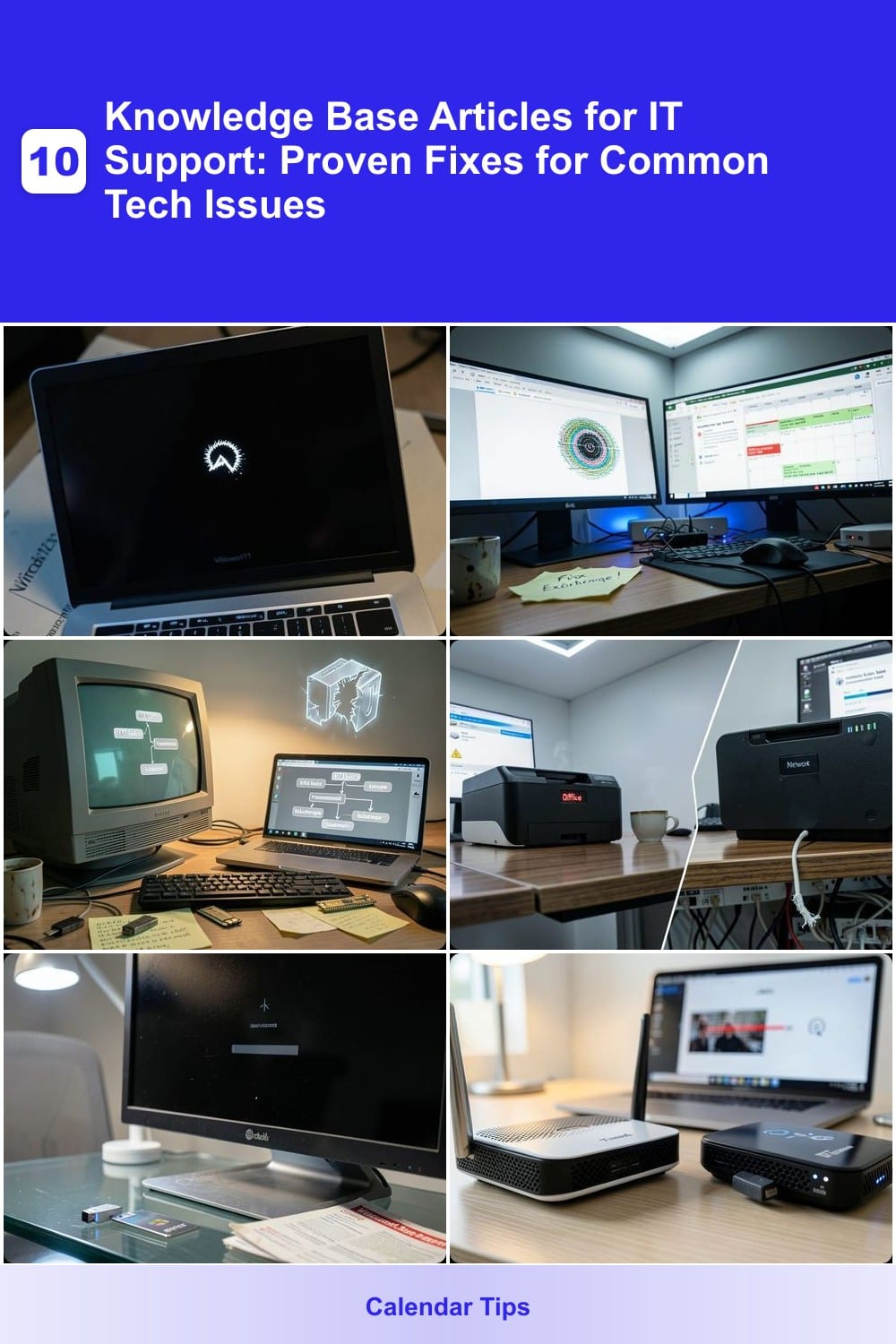
Stuck on a frozen Windows login screen that refuses to load? This self-service guide tackles the #1 Windows issue—whether it’s a black screen, spinning cursor, or complete freeze—with zero IT intervention required. From registry tweaks to boot repair utilities, it isolates the root cause (hardware, driver, or OS corruption) and provides step-by-step fixes.
Start with safe mode boot to rule out software conflicts, then dive into Windows Automatic Repair (accessible via USB recovery drive). For deeper issues, the guide includes hardware diagnostics (RAM, storage) and registry edits to reset corrupted login profiles. Tools like DISM and chkdsk are explained in plain language, ensuring even non-technical users can follow along.
Perfect for remote workers, small business IT teams, or anyone tired of waiting for helpdesk tickets. With screenshots and clear error code explanations, this article turns frustration into a five-minute fix. ✨
Outlook Email Not Syncing Fixes
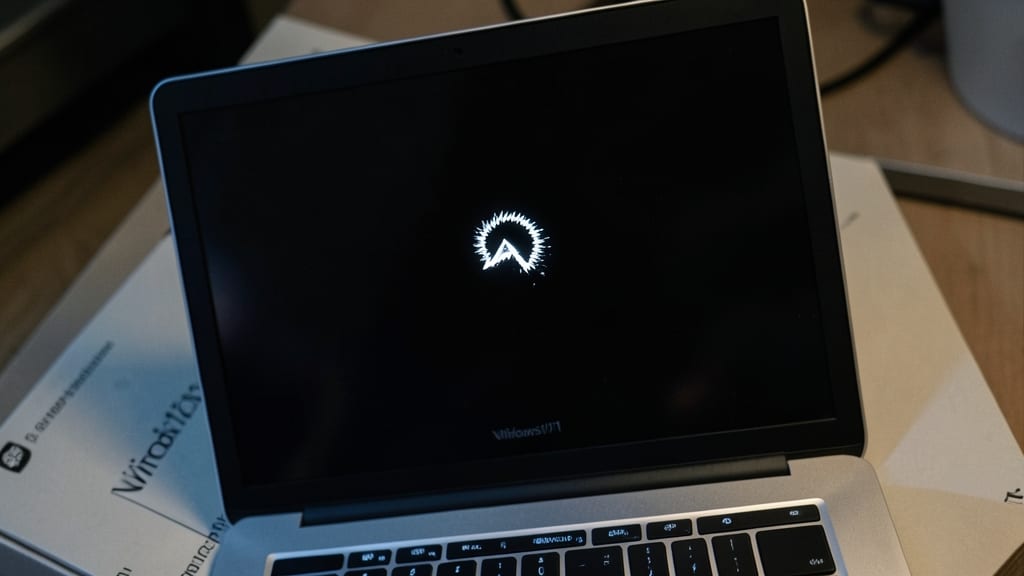
Remote workers know the frustration of an Outlook inbox stuck in the Stone Age—emails not syncing, calendars out of sync, and that dreaded "Send/Receive" error spinning forever. This article cuts through the chaos by diagnosing issues based on your account type (IMAP, Exchange, or POP3) and whether you're using the desktop app or web version.
For Exchange accounts, check autodiscover settings and server authentication—common culprits for sync failures. IMAP users often need to verify port configurations (993 for SSL, 143 for non-SSL) and server timeouts. The article also includes server-side fixes, like clearing Outlook’s Sync Issues folder or resetting the Microsoft Exchange Cache Mode for desktop users.
Perfect for IT teams supporting hybrid workers, this guide ensures minimal downtime by addressing both client-side and server-side roadblocks. No more guessing—just actionable steps to get emails flowing again. ✨
Slow Computer Performance Optimization Guide
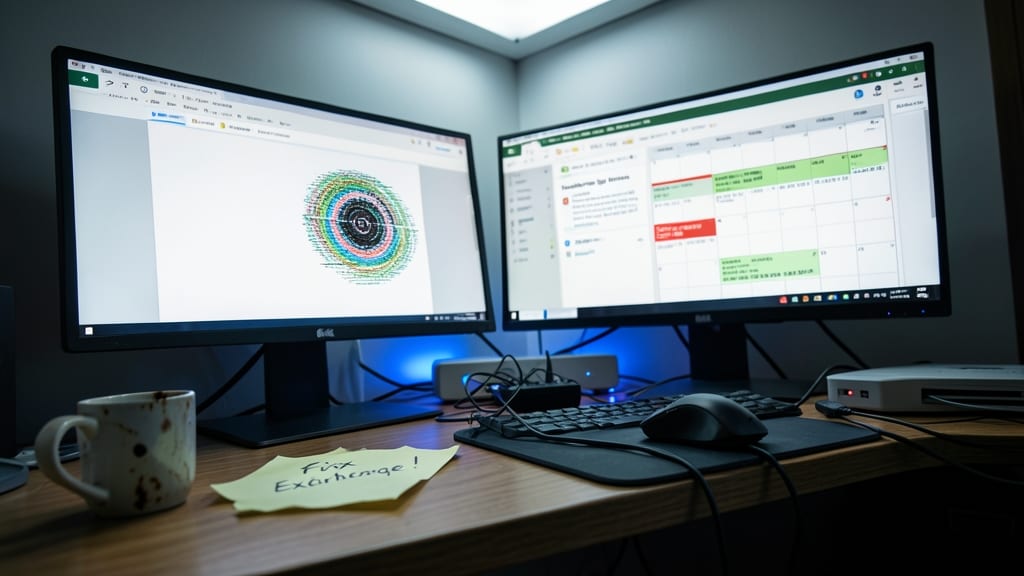
When your PC crawls like it’s running on a 1998 Pentium II, the diagnostic flowchart in this guide cuts through the guesswork. Instead of random fixes, it methodically checks the most likely culprits—RAM leaks, fragmented storage, or bloatware—in the order they’re most likely to cause slowdowns.
The flowchart starts with Task Manager snapshots to spot resource hogs, then walks users through Windows built-in tools like Disk Cleanup and Defragmenter, followed by malware scans with Windows Defender Offline. For deeper issues, it points to free tools like CCleaner or Process Explorer—no IT degree required.
Perfect for help desks or end-users who hate waiting—this guide turns frustration into a 10-minute fix for 80% of sluggishness cases. 💻
Printer Offline or Unrecognized Fixes
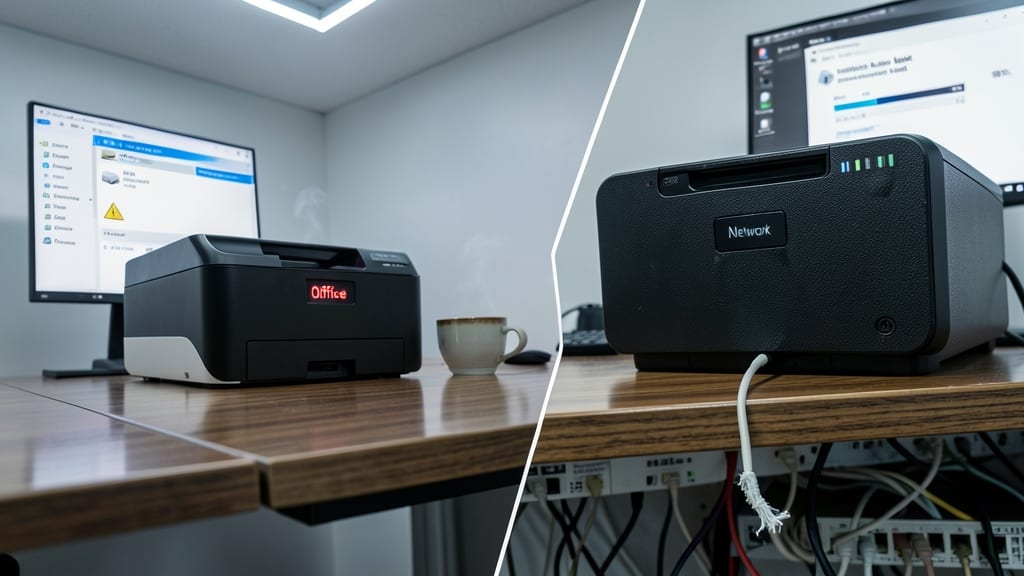
Frustrated when your office printer suddenly says "Offline" or disappears from the network? This guide separates network vs. local printer issues with clear, platform-specific fixes—no IT degree required.
For Windows users, verify the printer’s IP address in Device Manager, then reinstall drivers via Device Manager > Print queues. On macOS, check the AirPrint status in System Preferences and reset printing system software via Terminal (sudo cupsreset). Both systems benefit from clearing spooler services—Windows with net stop spooler (Admin CMD) or macOS with lpadmin -x (Terminal).
Perfect for shared office environments where printers handle high-volume tasks. These fixes cut down on helpdesk tickets by giving users quick, self-service solutions. 💻
Forget Password Recovery for Windows 10/11
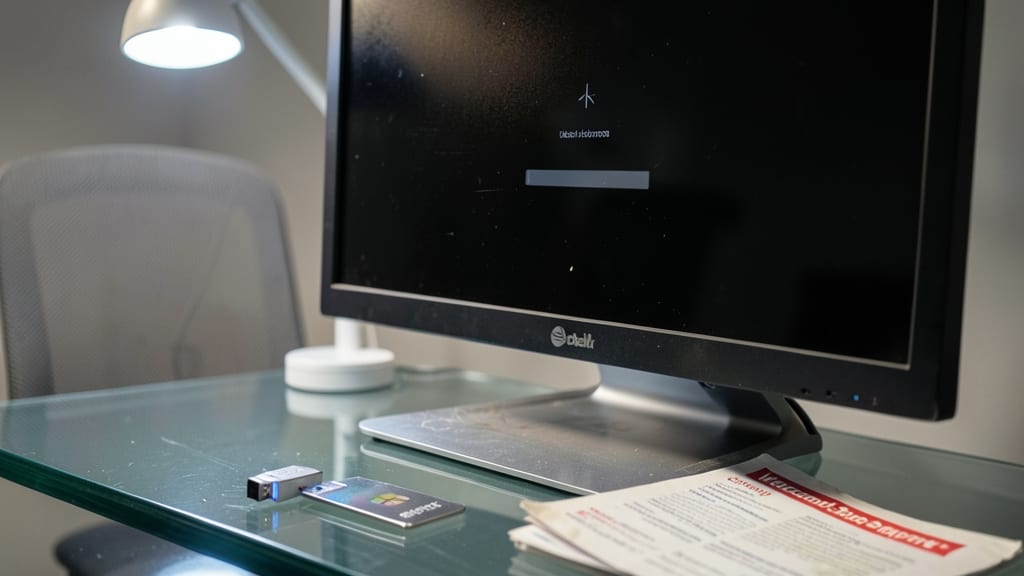
Locked out of your Windows 10/11 account? This guide covers all recovery methods—from built-in Microsoft tools to third-party bypasses—so help desks can resolve issues without waiting for IT.
Start with reset disks (if available) or Microsoft’s security question bypass for local accounts. For Microsoft accounts, use the account recovery portal or third-party tools like Offline NT Password & Registry Editor for advanced scenarios. Each method includes step-by-step screenshots for clarity.
Perfect for help desks managing locked accounts, this article cuts through the confusion of mixed login types—local, Microsoft, or domain—with a one-stop solution. ✨
Wi-Fi Connection Dropping Solutions
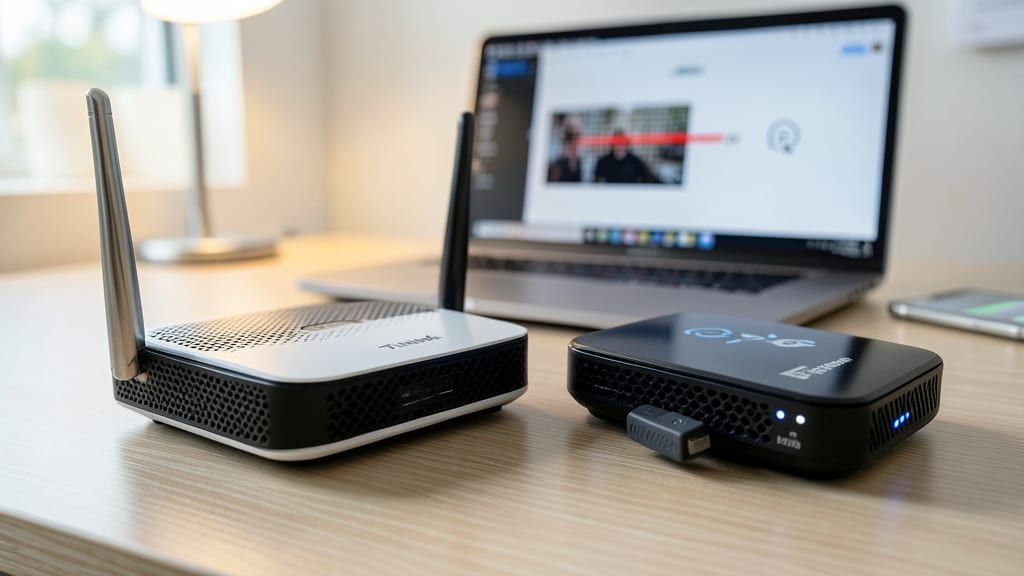
Tired of your Wi-Fi cutting out mid-video call or buffering during work? This guide systematically diagnoses why your TP-Link Archer C7 or Netgear Nighthawk RAX50 keeps dropping connections—whether it’s outdated firmware, 5GHz interference, or a faulty adapter.
Start with router-specific fixes: Flash the latest firmware (e.g., TP-Link’s Archer C7 v5.1 or Netgear’s RAX50 1.0.4.124), then check for driver updates on Windows/macOS. For interference, switch to 2.4GHz or reposition the router away from microwaves. Advanced users can tweak channel bandwidth (e.g., 20MHz for stability vs. 40/80MHz for speed).
Perfect for home offices, remote workers, or gamers—this article cuts through guesswork with model-specific steps and environmental checks. 💡
Blue Screen of Death Error Codes Explained
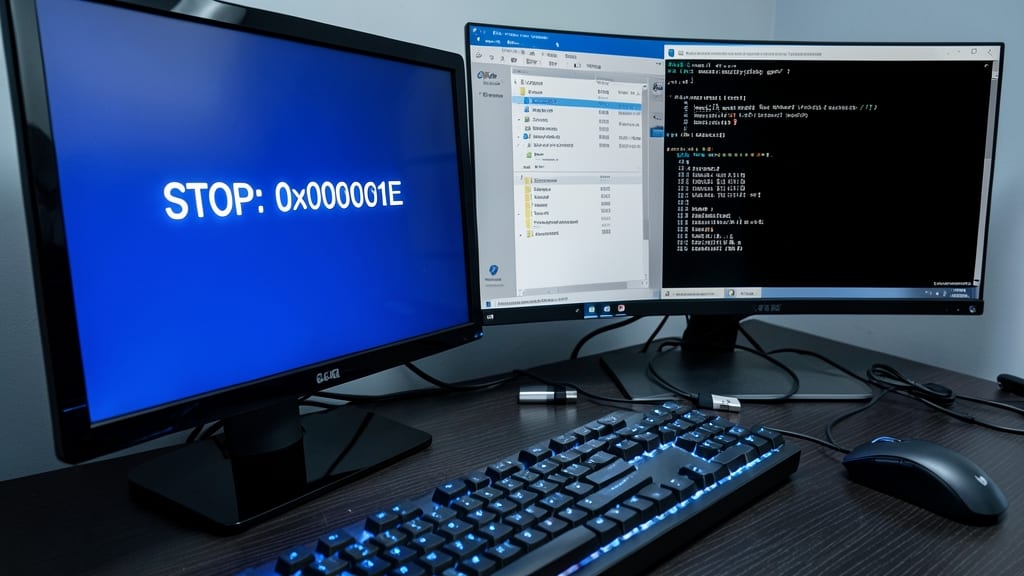
When your screen flashes STOP: 0x0000001E or another cryptic BSOD error, panic isn’t helpful—Windows Event Viewer is. This article decodes the top 10 BSOD codes (like IRQLNOTLESSOREQUAL or PAGEFAULTINNONPAGEDAREA) with actionable steps, from driver rollbacks to memory diagnostics using Windows Memory Diagnostic Tool. No guesswork—just direct fixes.
Each error gets a two-step solution: first, identify the root cause via Event Viewer logs (look for "BugCheckCode"), then apply targeted fixes like disabling faulty drivers or running MemTest86. For example, CRITICALPROCESSDIED often points to corrupted system files, while KMODEEXCEPTIONNOT_HANDLED usually means a driver conflict. The guide even includes preventative tips like keeping drivers updated and monitoring system stability.
Perfect for IT admins managing fleets of machines or power users who’ve hit a BSOD and need to troubleshoot without calling support. With clear screenshots and version-specific notes (Windows 10/11), this becomes your go-to resource for turning panic screens into productive fixes. 💻
Microsoft Office Activation Errors Fix
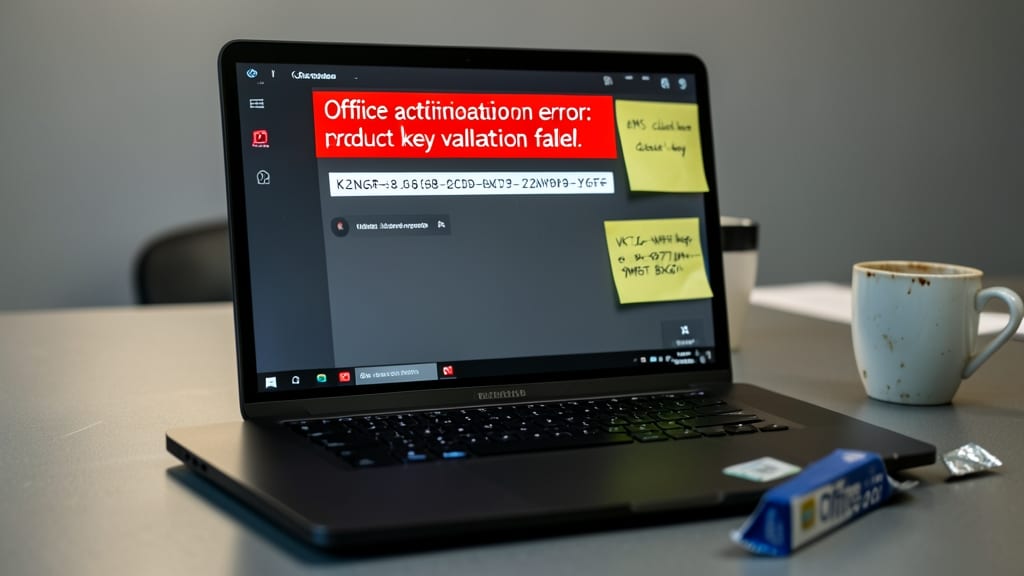
Stuck with an "Office activation error" that won’t budge? Whether it’s a product key validation failure, KMS activation hiccup, or volume license rejection, this fix covers both Office 365 and perpetual versions—no IT degree required.
Start by verifying your 25-character product key (or KMS client setup key for enterprises) using Microsoft’s activation troubleshooter. For volume license users, check your MAK or KMS server connection via slmgr /dlv. The guide also includes error code-specific fixes (like 0x8007007B or 0xC004F074) and steps to reactivate without losing data. Pro tip: Office 365 users can force a reinstall via setup.exe /configure config.xml for clean activation.
Perfect for small businesses managing bulk licenses or individuals upgrading from pirated copies. No more endless phone trees—just a direct path to productivity. ✨
Linux Terminal Command Cheat Sheet
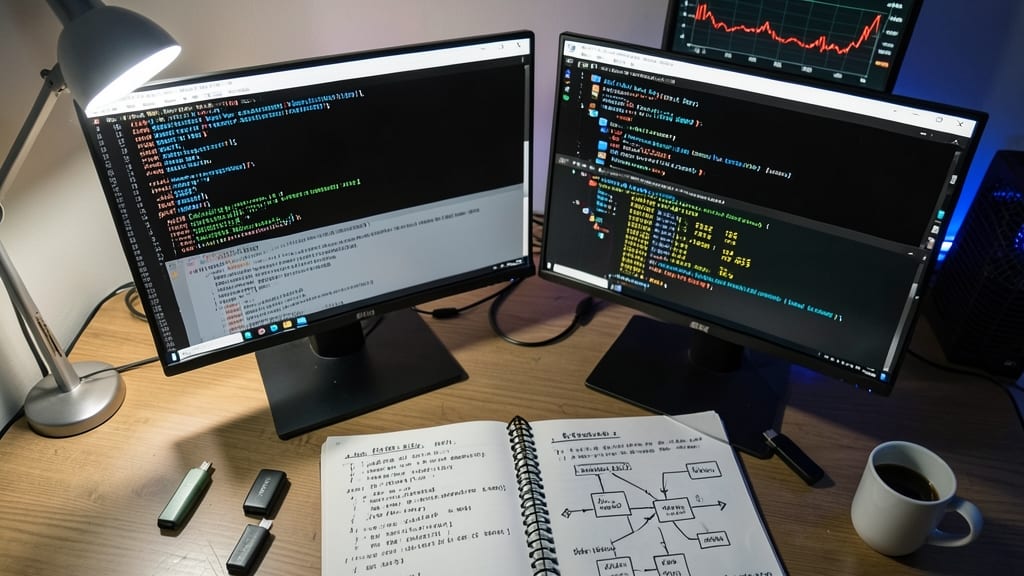
When Linux servers or workstations throw unexpected errors, sysadmins need a swiss-army knife of commands—not just theory, but battle-tested fixes with visual outputs. This cheat sheet covers file recovery (e.g., find, grep, rsync), permissions management (e.g., chmod, chown), and system monitoring (e.g., top, htop, df -h) with side-by-side examples.
The 20+ commands include hidden gems like lsof (list open files), journalctl (log analysis), and cron (scheduled tasks), all formatted for copy-paste ease. Visual examples show real terminal outputs, so beginners see exactly what to expect—no guesswork. Advanced users can dive into aliases and scripting shortcuts.
Perfect for IT support teams managing mixed environments or self-taught admins who need a quick reference. Whether you're debugging a misconfigured service or recovering a deleted file, this cheat sheet cuts troubleshooting time in half. ✨
Hardware Diagnostic Tools for IT Teams
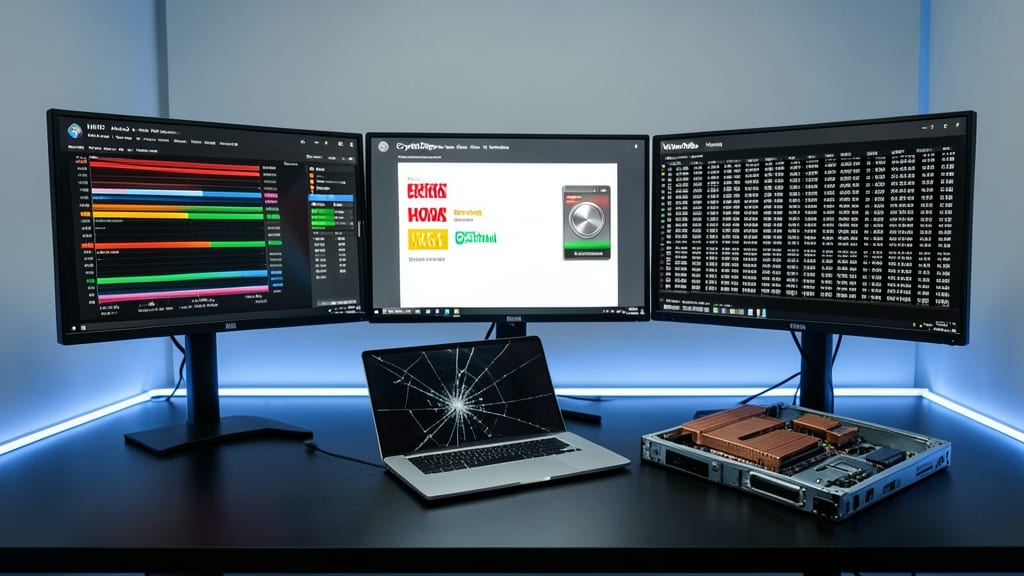
When hardware issues strike—like sudden crashes or mysterious slowdowns—IT teams need tools that work before the OS even boots. HWiNFO, CrystalDiskInfo, and MemTest86 are your secret weapons for diagnosing RAM, storage, and CPU problems without touching a keyboard.
HWiNFO provides real-time sensor monitoring (temps, voltages, fan speeds) and hardware inventories, while CrystalDiskInfo checks disk health with SMART data—critical for predicting failures. For pre-boot memory testing, MemTest86 runs in a live environment, spotting errors Windows might miss. All three tools are free, lightweight, and include beginner-friendly guides.
Perfect for help desks or MSPs handling end-user devices, these tools cut troubleshooting time by 50%—no advanced degrees required. 💻