
Software
Working with date and time values across different systems can be frustrating when formats don't align. These 10 universally recognized formats ensure seamless compatibility in programming, databases, and business applications—saving you hours of debugging and formatting headaches.
ISO 8601 Standard Format
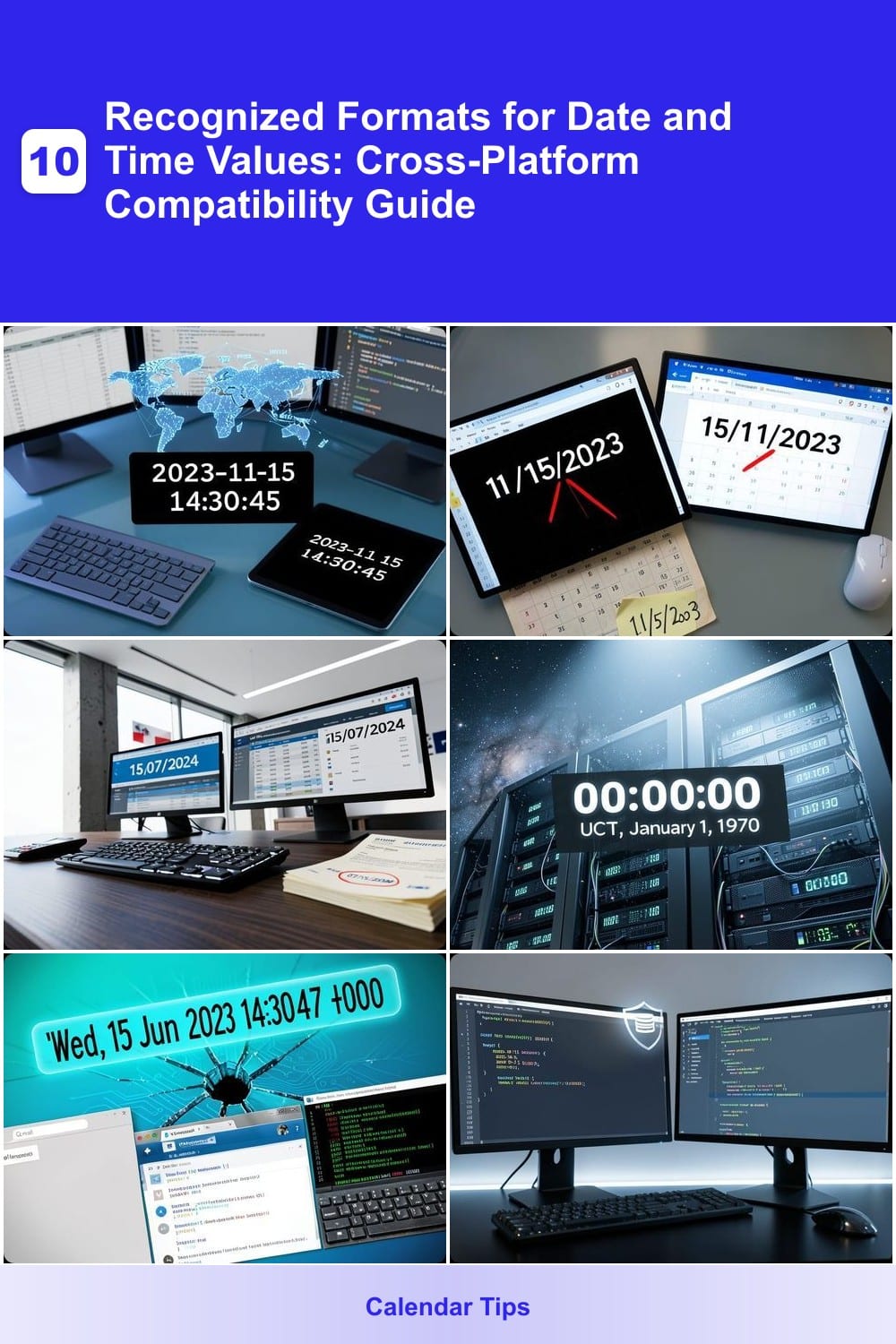
Tired of dates breaking across systems? The ISO 8601 format—YYYY-MM-DD for dates and HH:MM:SS for times—is the universal solution adopted by 99% of APIs, databases, and global applications. Its strict structure eliminates ambiguity, ensuring "2023-11-15" is always November 15, not May 11, regardless of locale.
This standard extends beyond dates with support for time zones (e.g., 2023-11-15T14:30:00+00:00) and even fractional seconds, making it ideal for financial transactions, scientific data, and international logistics. Languages like Python, JavaScript, and Java all support it natively, while databases from MySQL to MongoDB store dates in ISO 8601 by default. The format’s machine-readability also simplifies parsing and validation.
Perfect for global teams, SaaS developers, and data analysts—anyone working with cross-border systems. Start with ISO 8601, and you’ll avoid the "11/15/2023" debate forever. ✨
US Short Date Format
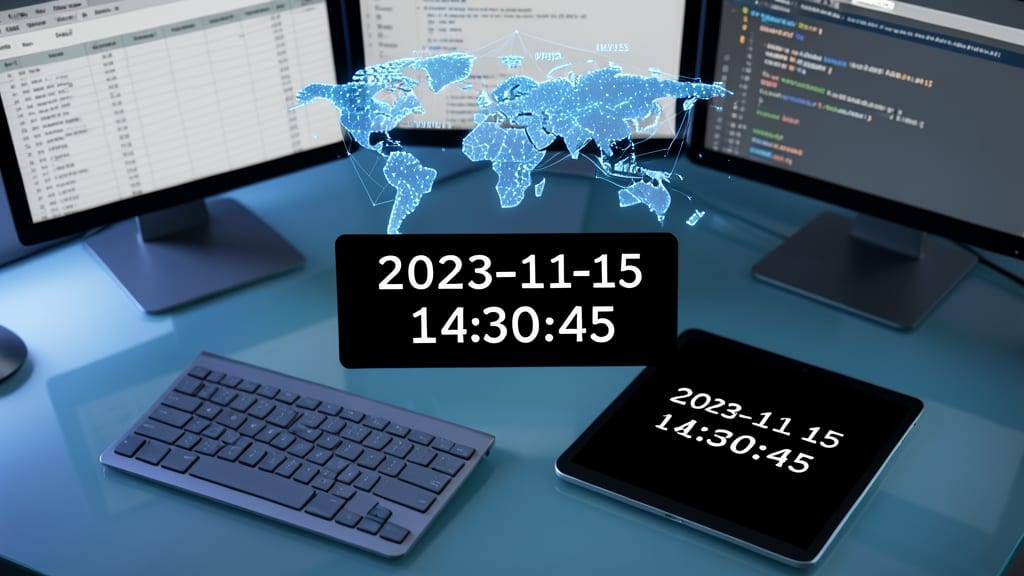
If you’ve ever struggled with a date like 11/15/2023 being misread as November 15th or May 15th, you’re not alone. The US Short Date Format (MM/DD/YYYY) is deeply embedded in American software—from Microsoft Excel to Outlook calendars—but its ambiguity makes it a double-edged sword for global teams.
This format prioritizes month-first ordering, which works flawlessly in US-centric tools but can cause parsing errors in European systems where DD/MM/YYYY is standard. For example, 11/15/2023 could mean November 15th in the US but May 11th in the UK. To mitigate risks, always validate inputs or use ISO 8601 (YYYY-MM-DD) for international systems while keeping MM/DD/YYYY for legacy US applications.
Perfect for US-based businesses, freelancers using American templates, or developers maintaining legacy codebases. Just remember: outside the US, this format demands extra caution! 💻
European Date Format

If your business operates in Europe—or partners with European clients—DD/MM/YYYY isn’t just a preference, it’s a necessity. Systems like SAP, Oracle ERP, and Eurozone financial software default to this format, and hardcoding MM/DD/YYYY could trigger costly errors in invoicing, contracts, or compliance reporting.
The day-first structure (e.g., 15/11/2023) aligns with ISO 8601’s regional variants and is the default in 27 EU countries, including the UK. Unlike the US format, it eliminates ambiguity when parsing dates programmatically—critical for automated workflows where a misread "15/11" as November 15th vs. May 11th could derail operations.
This format is a must for enterprise software teams, accountants, and global logistics firms where regional compliance isn’t optional. Just don’t assume it works everywhere—always validate with local stakeholders! 💻
Unix Timestamp Format
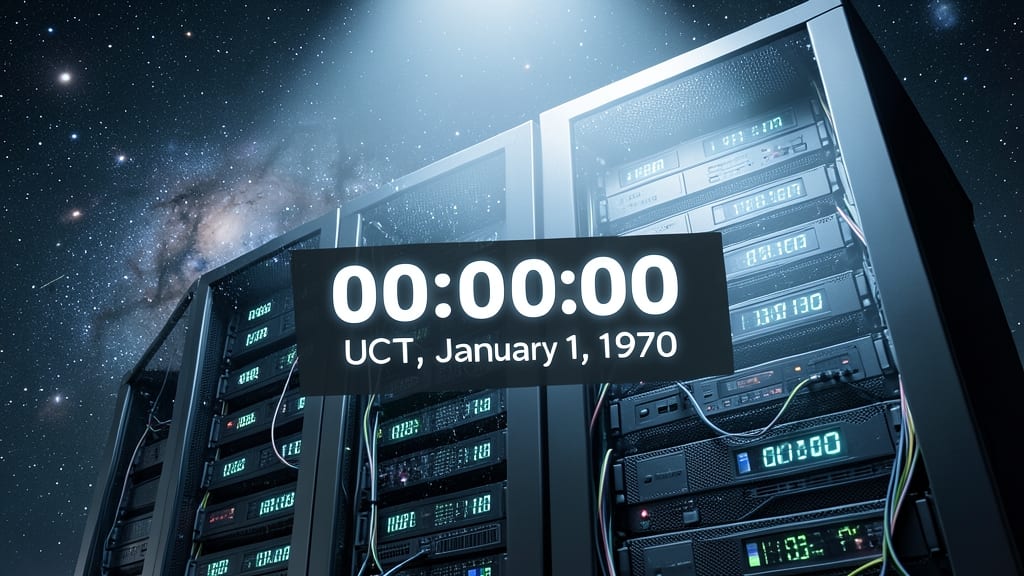
When your application needs to track time in a way that’s machine-friendly and location-agnostic, the Unix timestamp is your go-to solution. Representing time as the number of seconds since January 1, 1970 (UTC), this format eliminates ambiguity by focusing on raw, calculable values—perfect for backend systems where precision matters most.
With a simple integer value (e.g., 1700000000 for November 15, 2023), Unix timestamps enable zero-config time zone handling and seamless integration with APIs, logs, and scheduling tools. Languages like Python (time.time()) and JavaScript (Date.now()) support native conversion, while databases like PostgreSQL and MongoDB store them efficiently for sorting and querying.
Developers working on high-frequency trading, server logs, or cron jobs rely on Unix timestamps for their unmatched simplicity and performance. No parsing headaches—just pure, reliable time data. ⚡
RFC 2822 Email Format
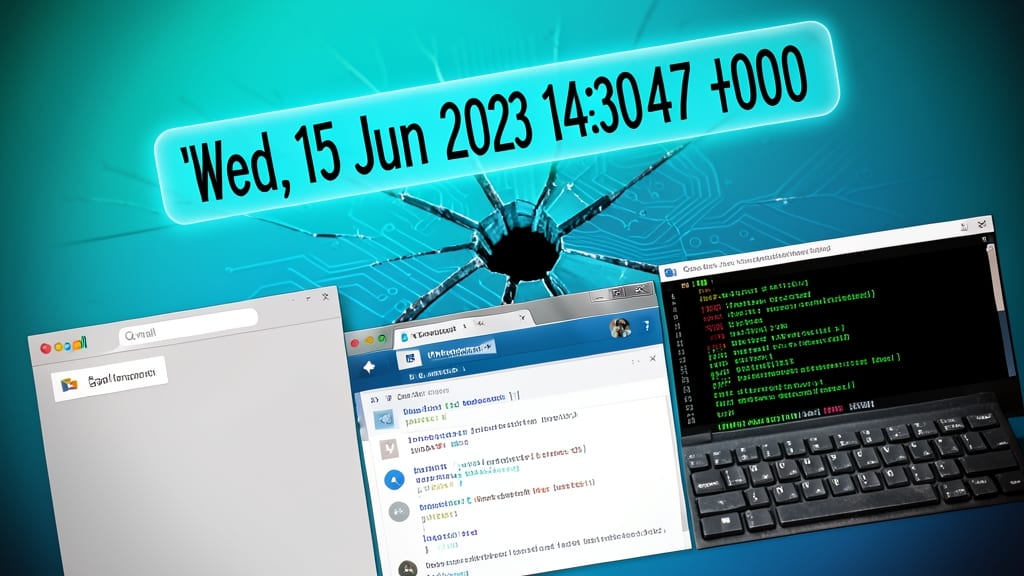
Ever struggled with email headers that seem to break when shared across servers? The RFC 2822 format—Weekday, DD Mon YYYY HH:MM:SS +ZZZZ—is the unsung hero of email protocols, ensuring your timestamps render correctly in Gmail, Outlook, and custom SMTP setups worldwide.
This format includes the full weekday name (e.g., "Wed"), a three-letter month abbreviation ("Nov"), and a timezone offset (+0000). It’s the default for email headers, SMTP transactions, and messaging APIs, making it the go-to for developers parsing raw email data or building email systems. The timezone offset (+ZZZZ) prevents ambiguity, while the weekday adds redundancy for parsing.
If you’re working with email parsing libraries (like Python’s email module) or designing APIs that handle message metadata, RFC 2822 is your best bet for universal compatibility. 💻
SQL Date Format
When writing SQL queries, consistency isn’t just a best practice—it’s a security measure. The YYYY-MM-DD format (or YYYY-MM-DD HH:MI:SS for timestamps) is the default in MySQL, PostgreSQL, and SQL Server, ensuring your queries parse correctly and reducing SQL injection vulnerabilities by avoiding ambiguous date interpretations.
This format aligns with ISO 8601 but adds precision for database operations, like filtering records or joining tables. For example, WHERE created_at BETWEEN '2023-01-01' AND '2023-12-31' works universally across major SQL engines. It also simplifies debugging by eliminating locale-dependent parsing errors.
Developers managing multi-region databases or legacy systems will appreciate how this format cuts down on conversion headaches. Stick with it, and your queries will run smoother—and safer. 💻
24-Hour Military Time

When seconds count—like in aviation, military operations, or hospital shift changes—there’s no room for AM/PM confusion. 24-hour military time (HHMM or HH:MM) eliminates ambiguity by using a global 0000–2359 clock, ensuring clarity across time zones and critical systems where miscommunication could have severe consequences.
This format strips away regional biases: 1430 is always 2:30 PM, never 2:30 AM. It’s the default in NATO standards, FAA documentation, and healthcare scheduling systems, where even a single misread could disrupt operations. Many programming languages (like Python’s strftime with %H%M) and databases support it natively, making it a zero-config choice for precision-oriented applications.
Perfect for developers building global logistics tools, medical software, or flight simulators, military time ensures your timestamps are universally understood—no matter where they’re processed. ⚡
JSON Date-Time Format
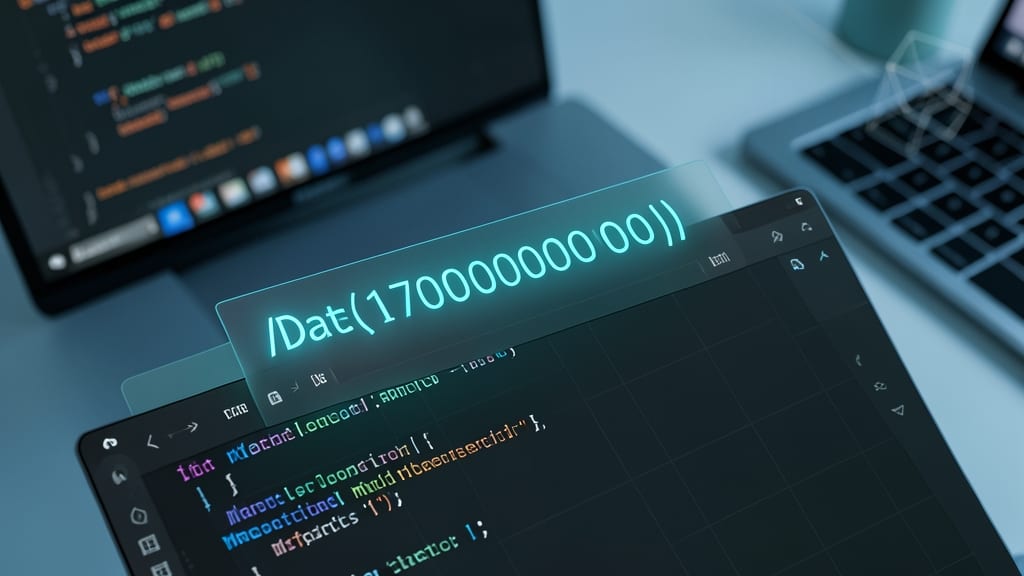
If you're building JavaScript apps or APIs, the JSON Date-Time Format—/Date(1700000000000)/—is your go-to for millisecond precision. Unlike ISO 8601's text-based approach, this format uses a numeric timestamp wrapped in a string, making it lightweight and easy to parse in JavaScript's native Date object.
The format combines ISO 8601's structure with millisecond granularity, ensuring compatibility with modern web frameworks like React and Angular. For example, /Date(1673638400000)/ translates to January 1, 2023, at 00:00:00 UTC—a perfect fit for real-time dashboards or event logging where split-second accuracy matters.
Developers working on RESTful APIs or front-end applications will appreciate how this format integrates seamlessly with JavaScript's Date.parse() and toJSON() methods, eliminating manual conversions. ⚡
Excel Custom Format
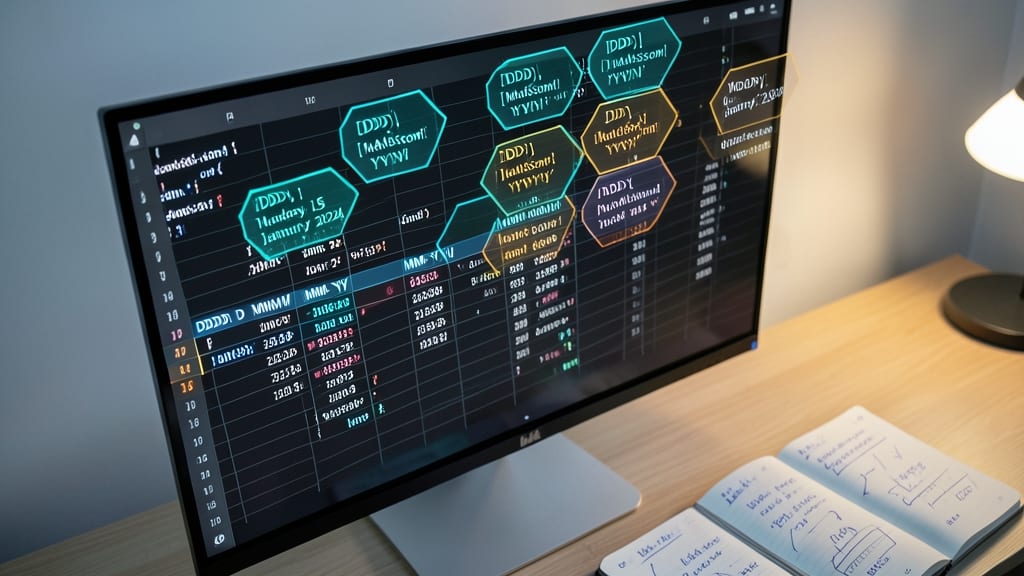
Tired of rigid date formats cramping your Excel reports? The Excel Custom Format lets you define exactly how dates appear—whether you need 'MMM-YY' for concise timelines or 'DDDD, D MMMM YYYY' for polished presentations.
With over 40 customizable codes, you can mix text, symbols, and date components (e.g., 'Weekday, MMM D' → "Monday, Nov 15"). This flexibility keeps your dashboards clean while ensuring the underlying data remains machine-readable and sortable. Perfect for finance teams or marketers who prioritize aesthetics without sacrificing functionality.
Ideal for business analysts, educators, and freelancers crafting client-facing reports where clarity and branding matter. 💡
Natural Language Format
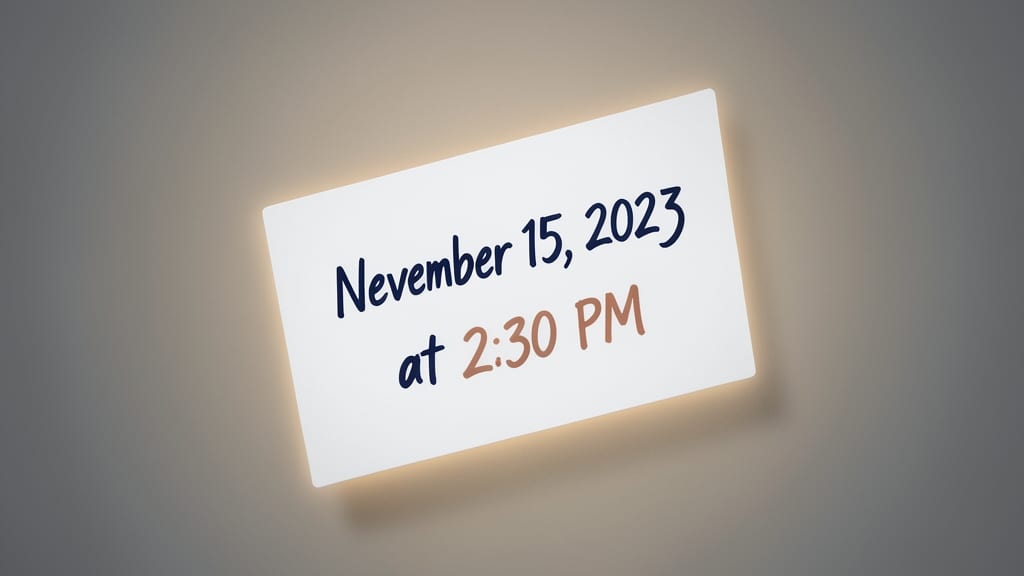
Need dates and times that read like a human wrote them? The natural language format—like "November 15, 2023 at 2:30 PM"—bridges the gap between machine precision and user-friendly displays. Unlike rigid codes, this format prioritizes clarity for end-users while requiring parsing for backend systems.
Perfect for user interfaces, documentation, and scheduling tools, it eliminates ambiguity in AM/PM while keeping dates intuitive. Libraries like Python’s dateutil or JavaScript’s moment.js handle parsing effortlessly, making it ideal for apps where readability matters most.
Developers building customer-facing tools—think calendars or reminders—will appreciate how this format reduces confusion without sacrificing functionality. Just don’t forget to parse it before processing! ✨